SINDNOVA
Study and research centre on industry innovation and labour
VAT 02153791005
F.C. 97036220586
Address
via Tagliamento 9
00198 Rome (Italy)
Social
SINDNOVA
Study and research centre on industry innovation and labour
P.I. 02153791005
C.F. 97036220586
Address
Via Tagliamento 9 00198 Rome



ALL RIGHTS RESERVED © 2026

TURN. Addressing industrial relations towards circular economy in metal, chemical, textile, energy and construction sectors.
The TURN project coordinated by SindNova, in partnership with FEMCA CISL, FIM CISL, FILCA CISL, FUNDACION 1° DE MAYO (Spain), OZIPLIK IS, TURK METAL SENDIKASI (Turkey), CO-PLAN, FS PISH (Albania) CSPS, KOZSR (Slovakia), CC.OO. INDUSTRIA, INDUSTRIALL, EFWWB (Belgium) and co-financed by the European Commission, has the aim of investigating the action and reaction of the countries involved in the project and the predisposition of the sectors (chemical, textile, energy, metalworking and construction) to the transition to circular economy model. The objective is to improve and adapt/readapt its production systems in line with the European action plan towards the circular transition.
The EU’s transition to a circular economy will reduce pressure on natural resources and will create sustainable growth and jobs. In March 2020, the European Commission adopted the new circular economy action plan (CEAP), that is one of the main building blocks of the European Green Deal, Europe’s new agenda for sustainable growth. The new action plan targets how products are designed, promotes circular economy processes, encourages sustainable consumption, aims to ensure that waste is prevented, and the resources used are kept in the EU economy for as long as possible, and introduces legislative and non-legislative measures targeting areas where action at the EU level brings real added value.
The project TURN has the objective to mobilizing social partners, industrial relations actors and undertakings towards the CE, in order to make workers aware that the production system they are part is respectful of nature and environment and to ensure their skills and tools to dialogue with the company strength to this objective. The project is finalized to improve expertise and knowledge on industrial relations through analysis and research in the field of CE, at EU level, as well as in comparative terms, identifying convergences and differences in the responding of the industrial relations systems in place in the EU Member States and in Candidate Countries.
The project, starting from an analysis of the national regulatory framework, the role of workers' representatives/EWC members, as well as the role and prerogatives of companies and institutions, will provide a Handbook, two round tables and a final conference.
TURN is funded by the European Union. Views and opinions expressed are however those of the authors only and do not necessarily reflect those of the European Union or the European Commission. Neither the European Union nor the granting authority can be held responsible for them.
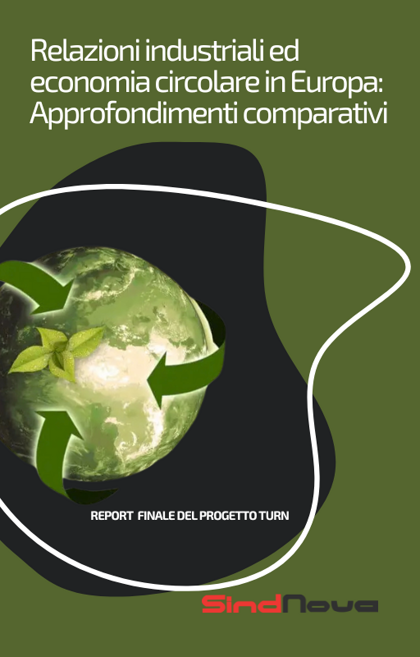
Final Report of TURN project
The final report of the TURN project provides an important in-depth analysis of the role of social partners in managing the ecological transition of production systems, with particular attention to five strategic sectors: metallurgical, chemical, textile, energy, and construction. The report examines how industrial relations can be a strategic tool to guide a fairer and more sustainable transformation, highlighting the importance of equipping involved actors with skills, institutional support, and political recognition. In particular, it emphasizes the potential of European Works Councils (EWCs) as transnational platforms for anticipation, consultation, and coordination within multinational companies. The document also gathers results from case studies, interviews, surveys, and roundtables across different countries, offering a rich overview of good practices, challenges, and recommendations. The publication aims to serve as a useful tool for policymakers, workers' representatives, and stakeholders interested in promoting a sustainable, inclusive, and socially fair industrial transformation.
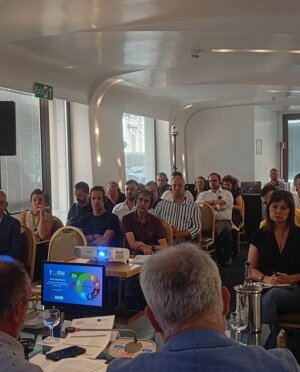
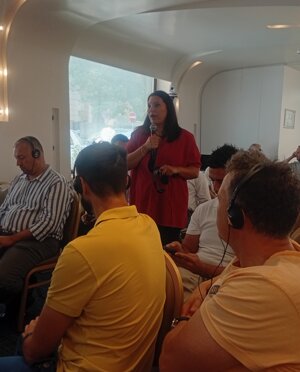
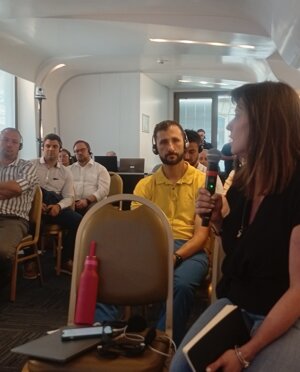
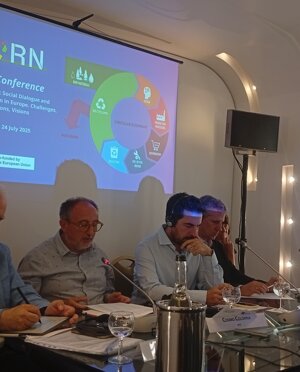
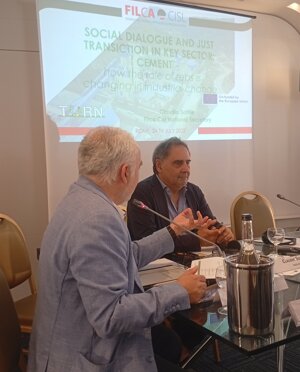
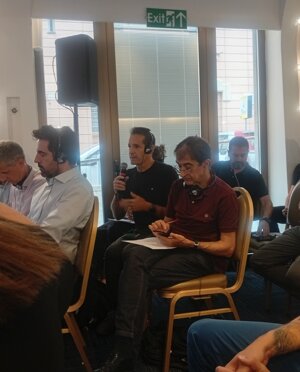
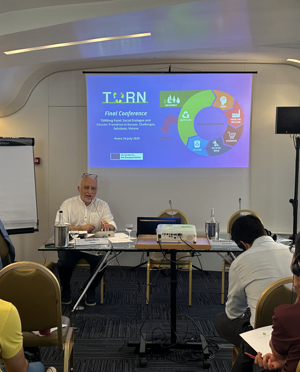
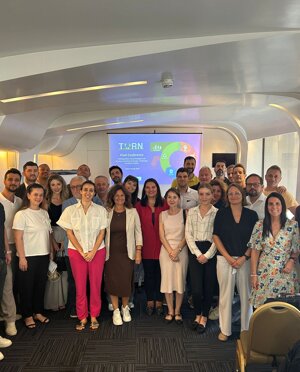
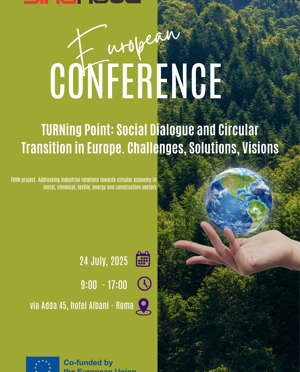
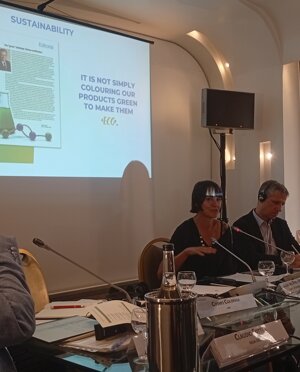
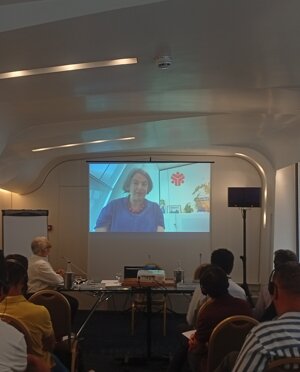
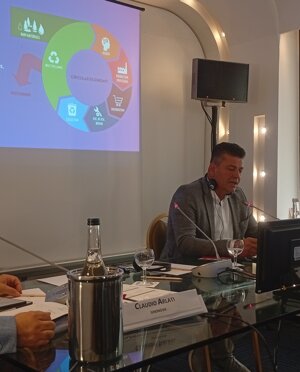
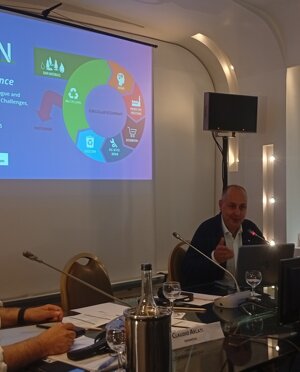
Rome (Italy) 24 July 2025 European Final Conference - Turning Point: Social Dialogue and Circular Transition in Europe. Challenges, Solutions and Visions.
The final European conference was an important moment of synthesis and reflection on the TURN project, focused on the circular economy. The results that emerged from the five partner countries clearly the five partner countries clearly show that industrial relations must assume a strategic role in driving a circular transformation that is also socially equitable. However, to fully realise this goal, it is crucial that stakeholders have the appropriate expertise, institutional support and political recognition.The event was attended by numerous representatives from different sectors, including trade unionists, institutional officials, industry experts and managers of multinationals from various countries. The shared experience helped to strengthen the sense of community and collective commitment towards a more sustainable, inclusive and socially just future.
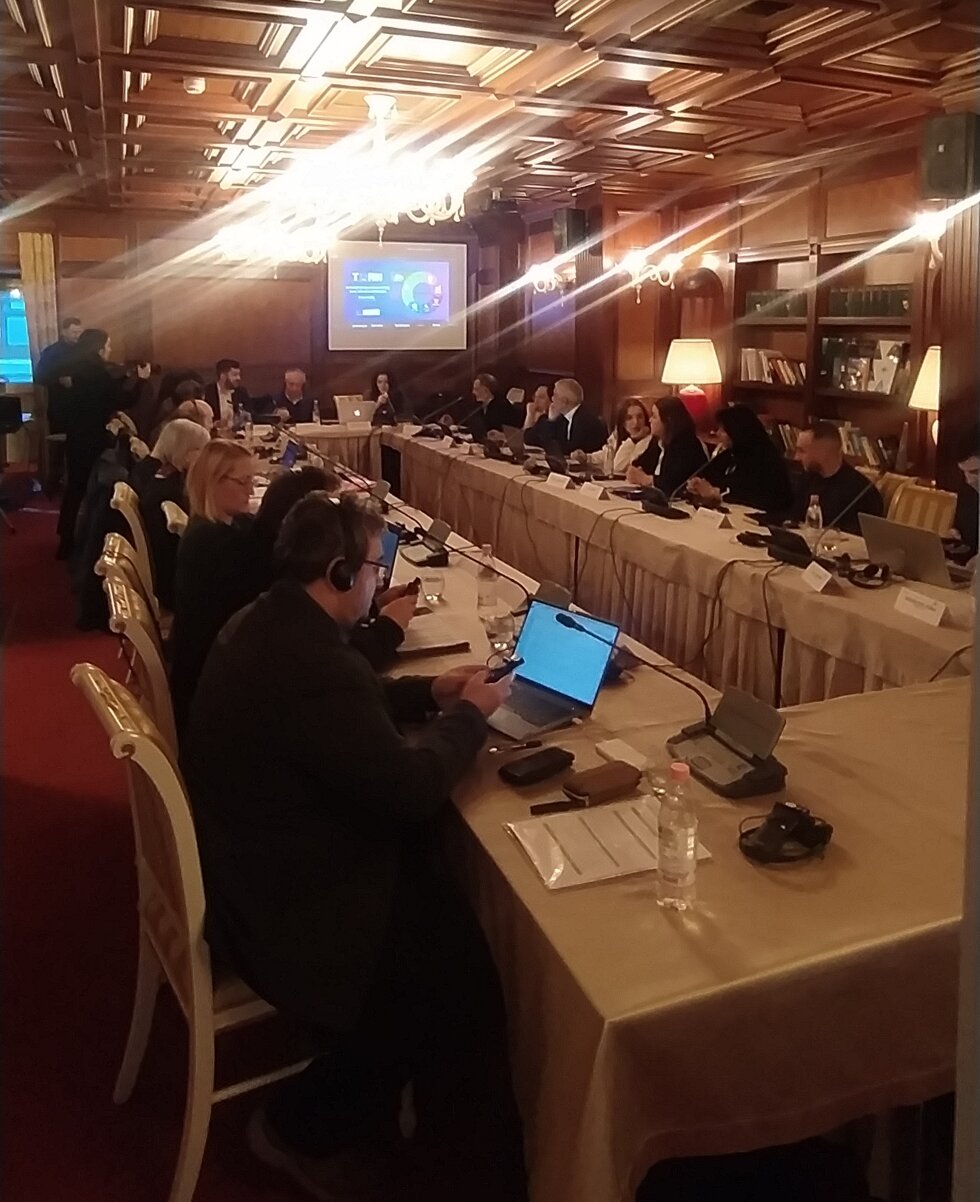
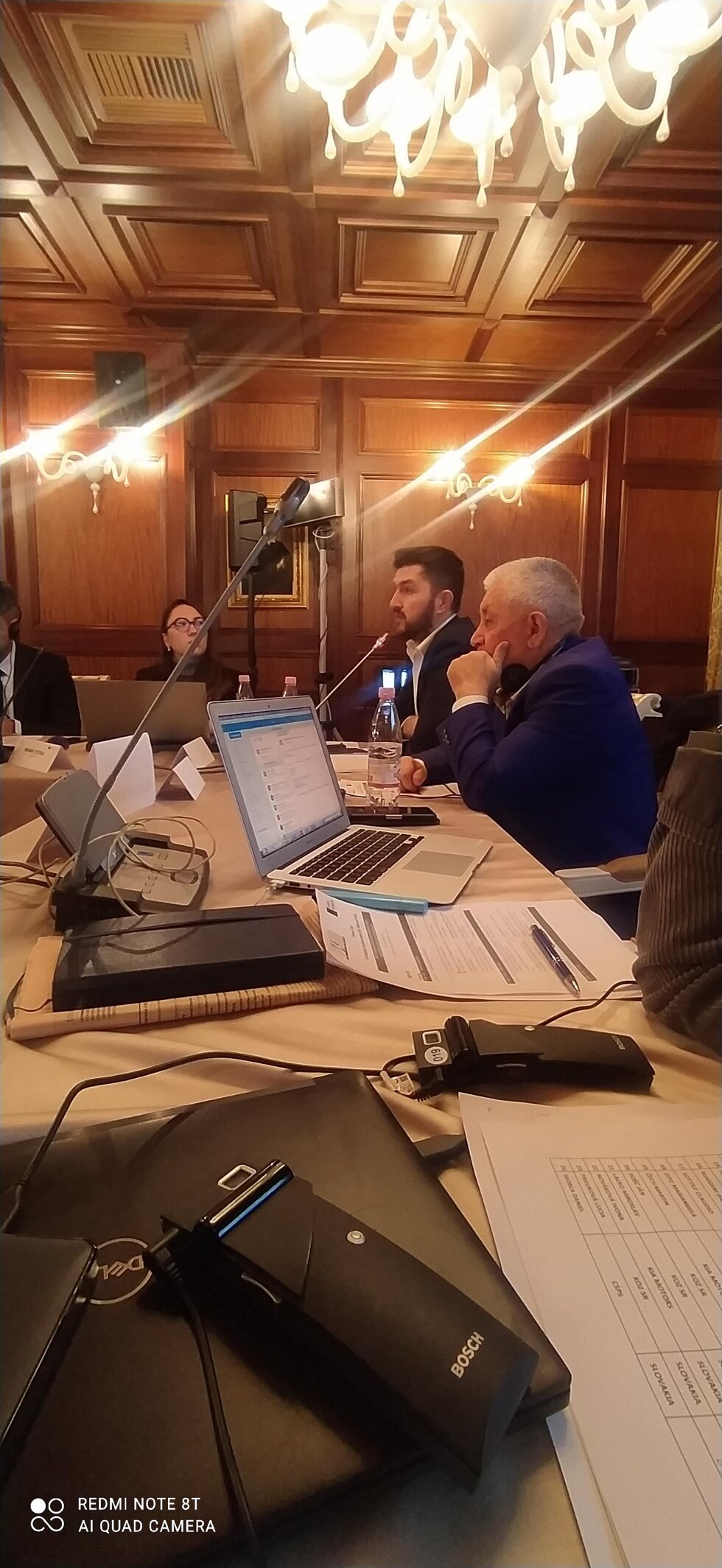
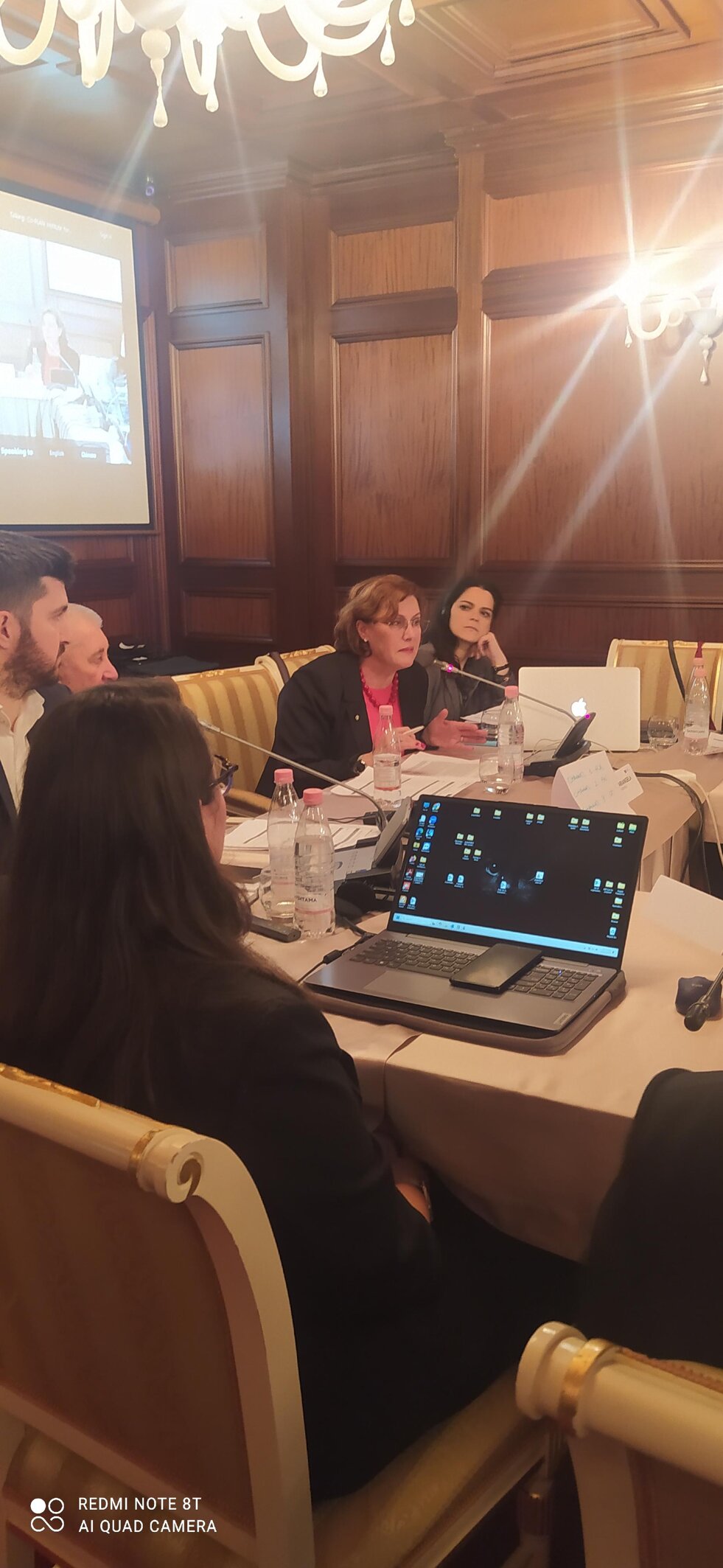
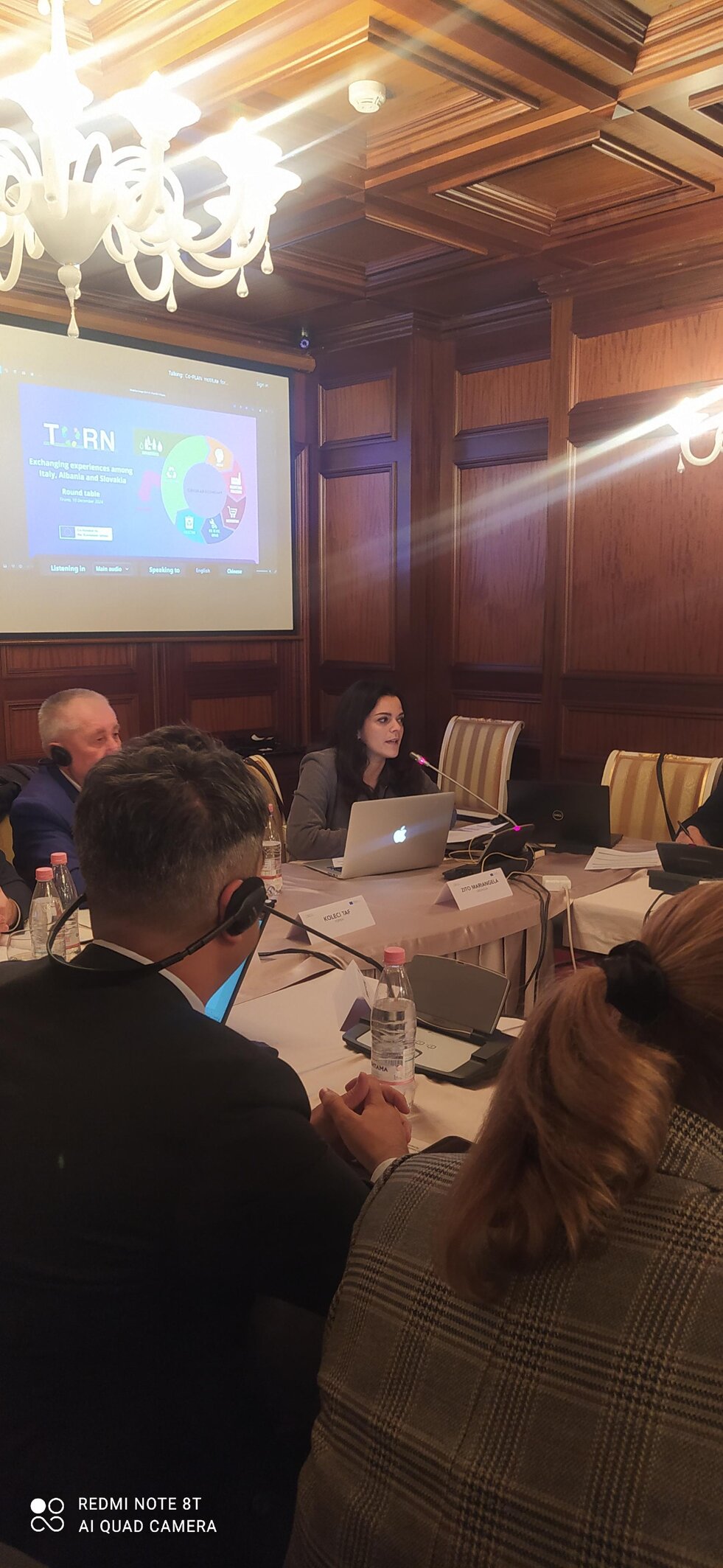
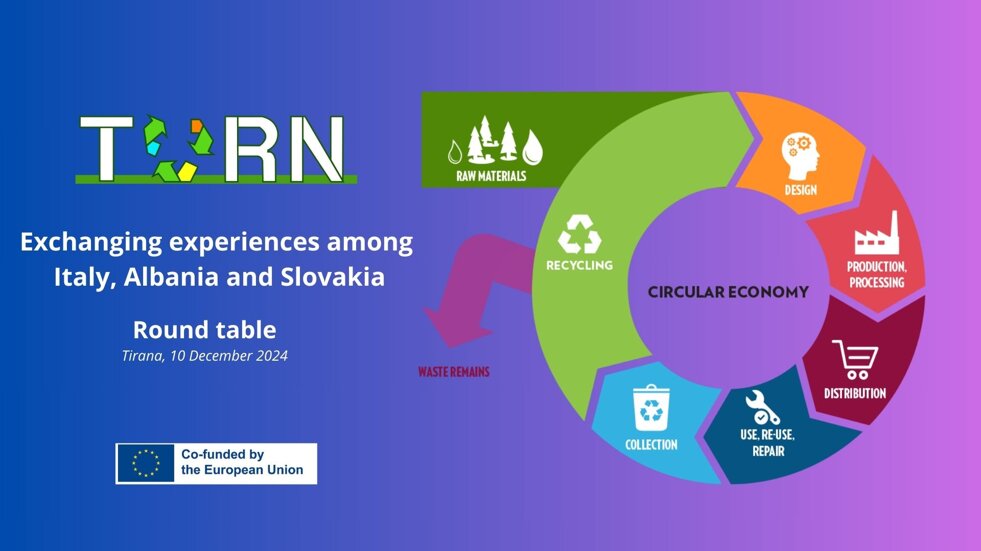
Tirana (Albania) 10 December 2024
Exchange of experiences between Italy, Albania and Slovakia.
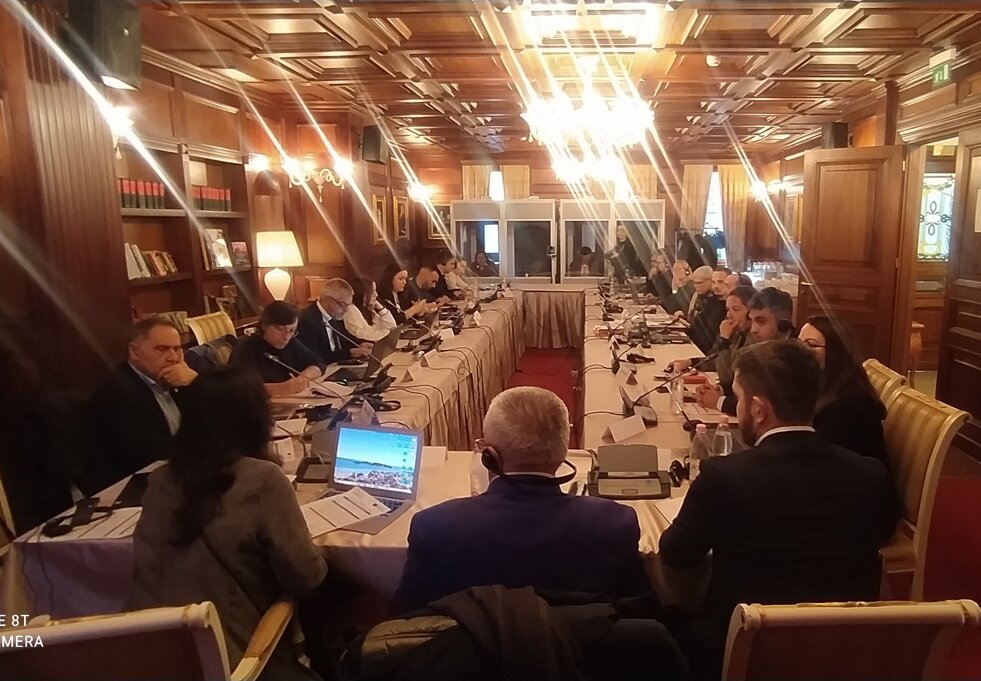
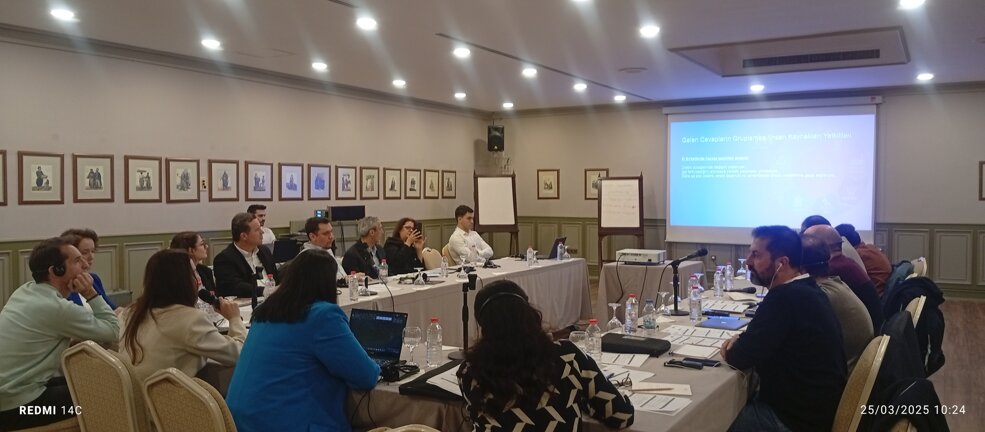
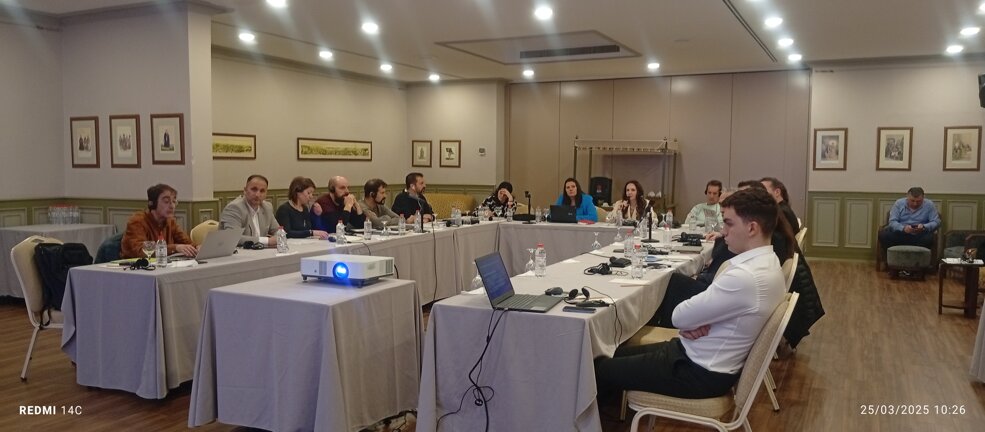
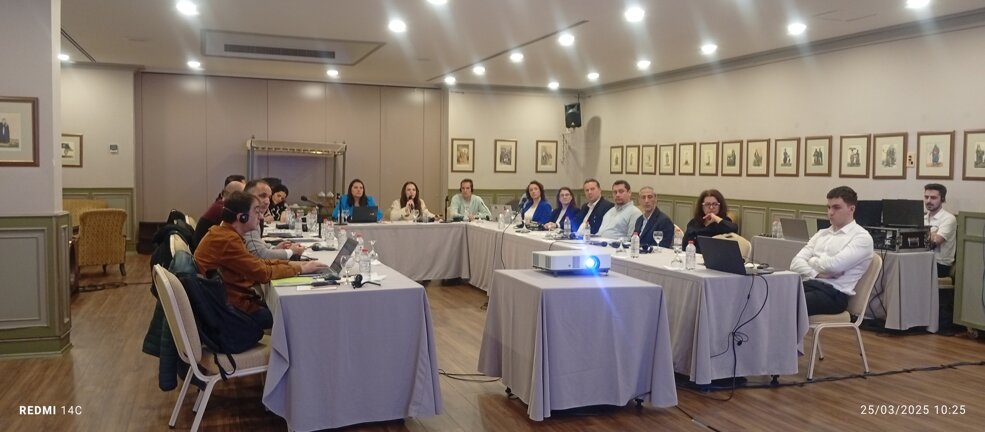
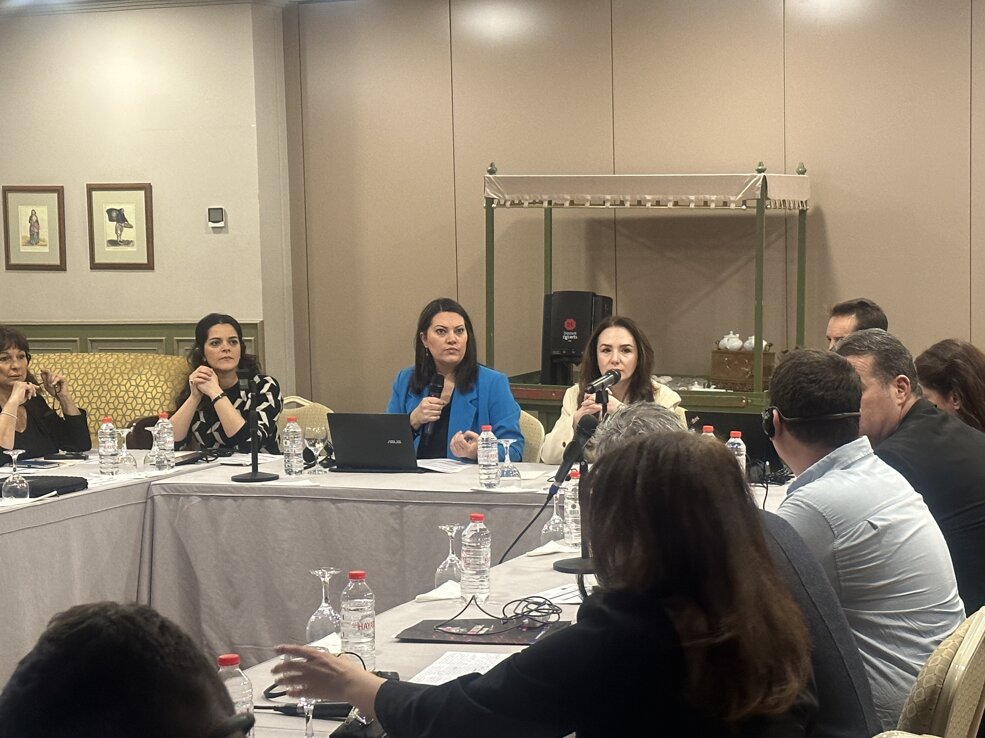
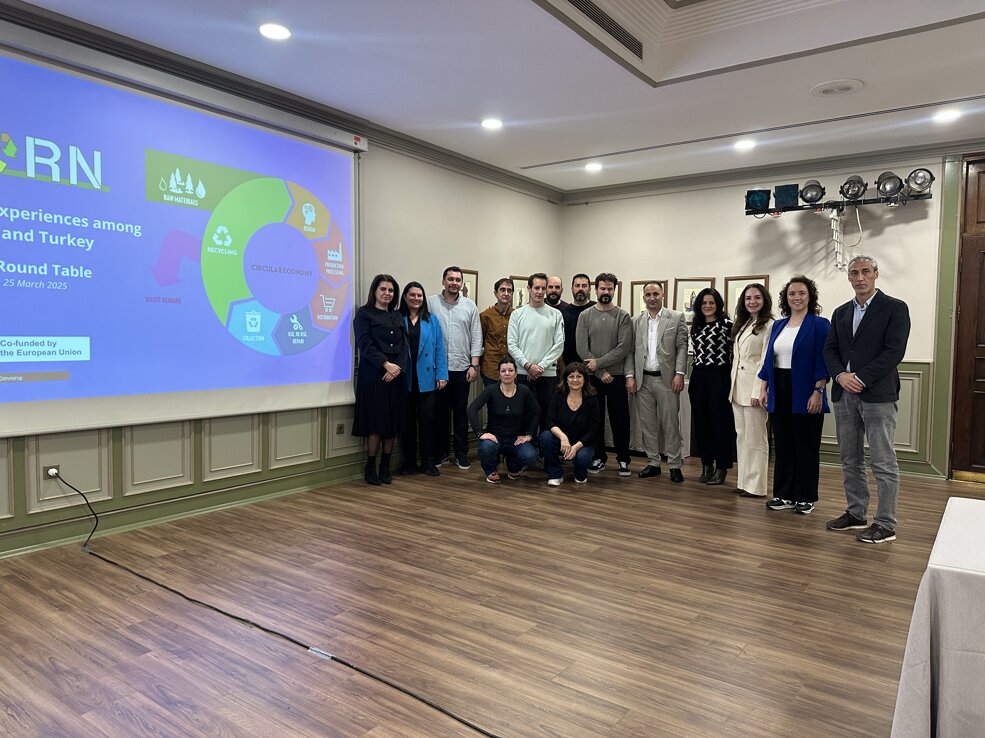
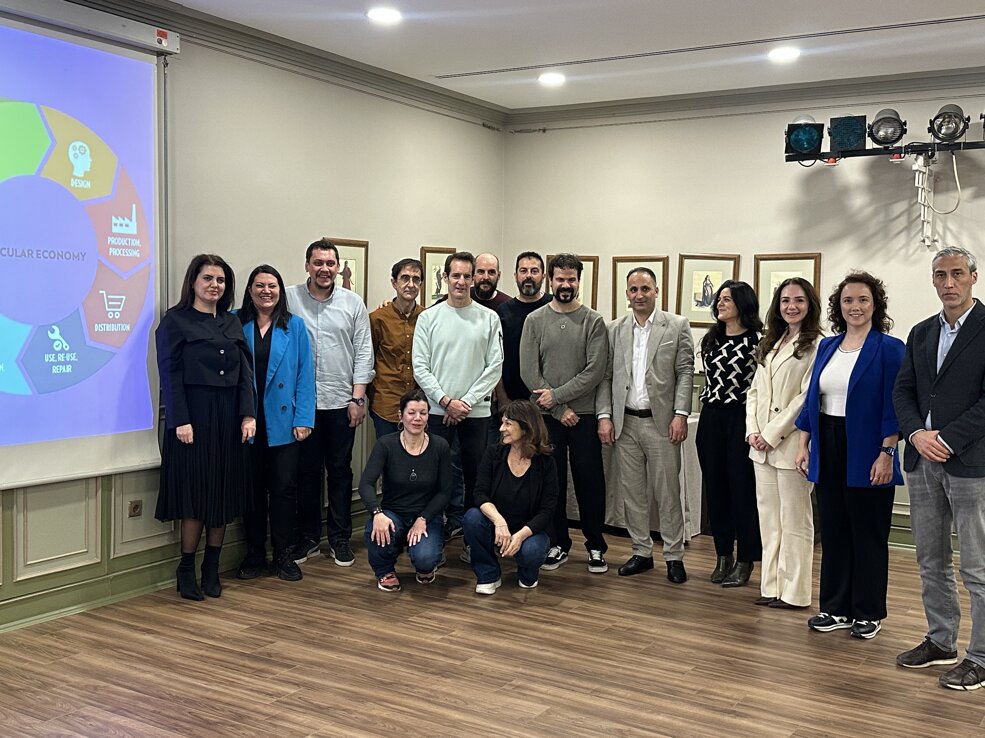
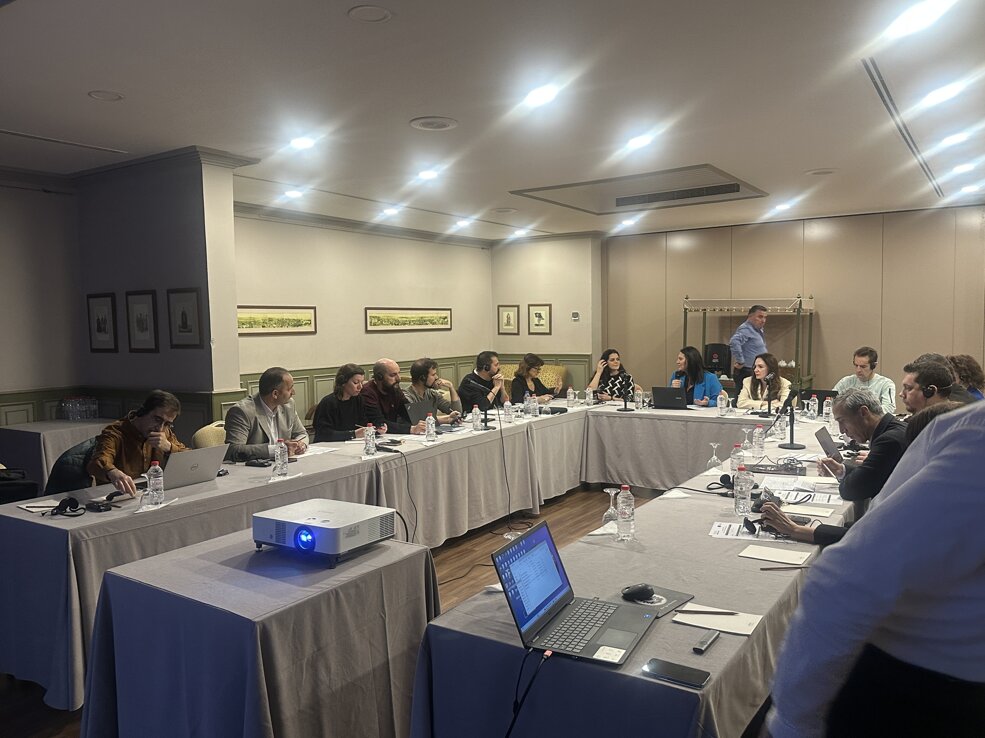
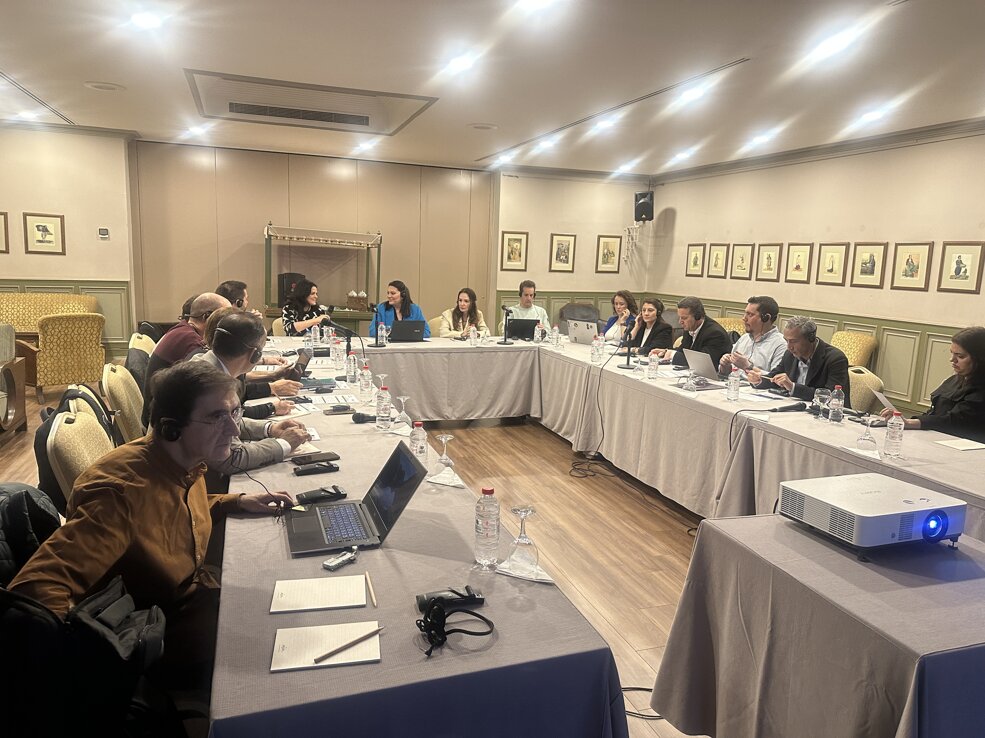
Istanbul (Turkey) 25 March 2025
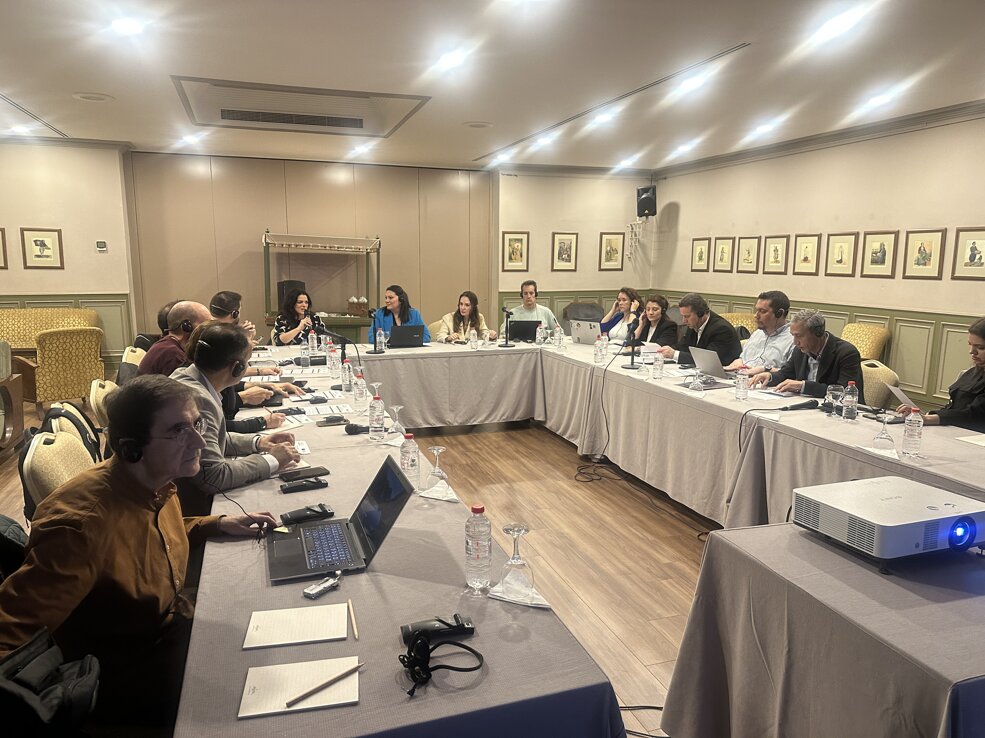
Second Round Table - Exchange of experiences between Turkey and Spain